
.jpg)

Renewables Integration (The Anchor) - Stability and Baseload.
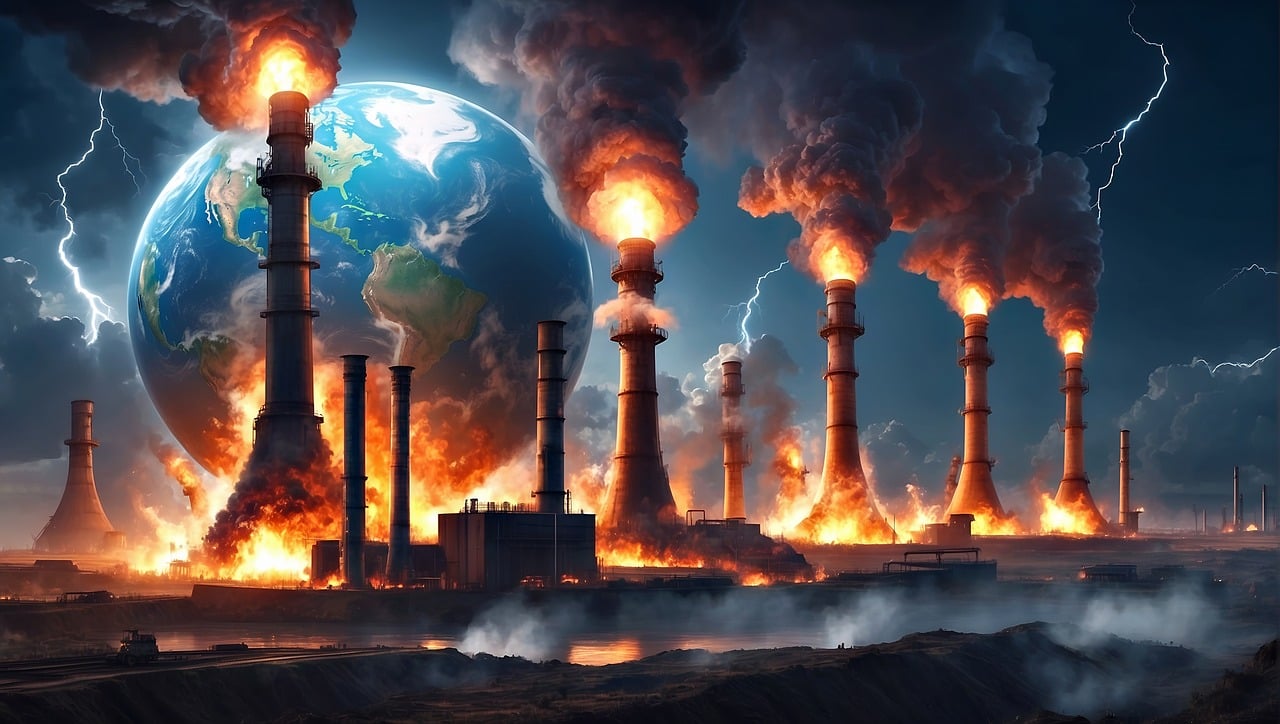
The Legacy Crisis – Fossil Fuels and Nuclear
For decades, the global grid has been held hostage by the inherent flaws of legacy generation. Fossil fuel systems are not only ecologically devastating but economically unstable. They rely on "dirty," unreliable supply chains and are subject to extreme price volatility dictated by international conflict rather than local need. Furthermore, the thermal stress of coal and gas plants leads to high maintenance overheads and unpredictable outages.
Nuclear energy, while providing baseload, carries a catastrophic "End of Life" burden. The decommissioning costs, the multi-generational debt of radioactive waste management, and the inability of nuclear reactors to ramp output up or down in response to modern grid fluctuations make them an inflexible and high-risk relic of the past. A modern nation cannot build its future on the toxic debts of the previous century.
The Intermittency Gap – Solar and Wind Limitations
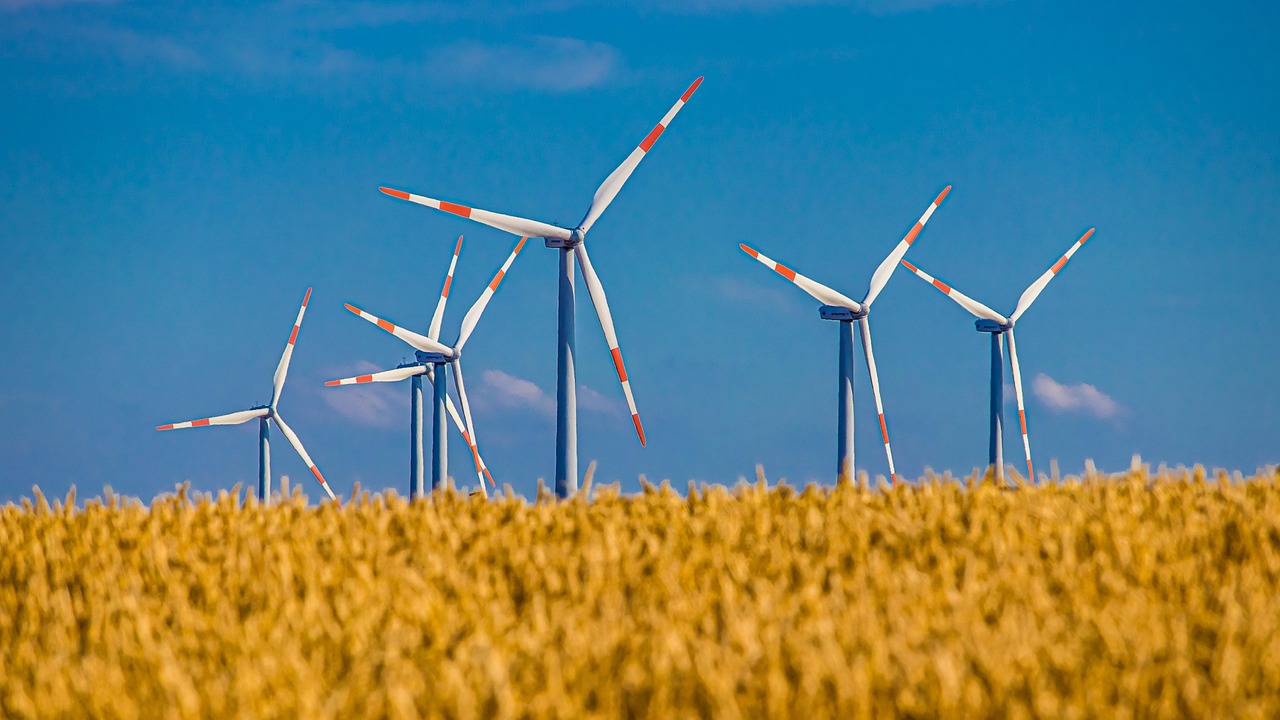
While solar and wind are vital steps toward decarbonisation, they are physically incapable of providing the structural stability a national grid requires. Their massive horizontal footprints—requiring thousands of hectares for gigawatt-scale output—create significant land-use conflicts. Furthermore, they are inherently intermittent; they generate when the weather dictates, not when the consumer demands.
Most critically, these systems offer "Synthetic Inertia" at best. They lack the physical, rotating mass required to maintain grid frequency during a surge. To compensate, developers are forced to install massive Battery Energy Storage Systems (BESS). These chemical batteries are expensive, have a short operational lifespan, and carry significant fire risks. They don't solve the problem; they merely create a "generate-and-store" buffer that remains vulnerable to non-supply during prolonged weather lulls.
The GMEG Hive – Synchronous Mechanical Inertia
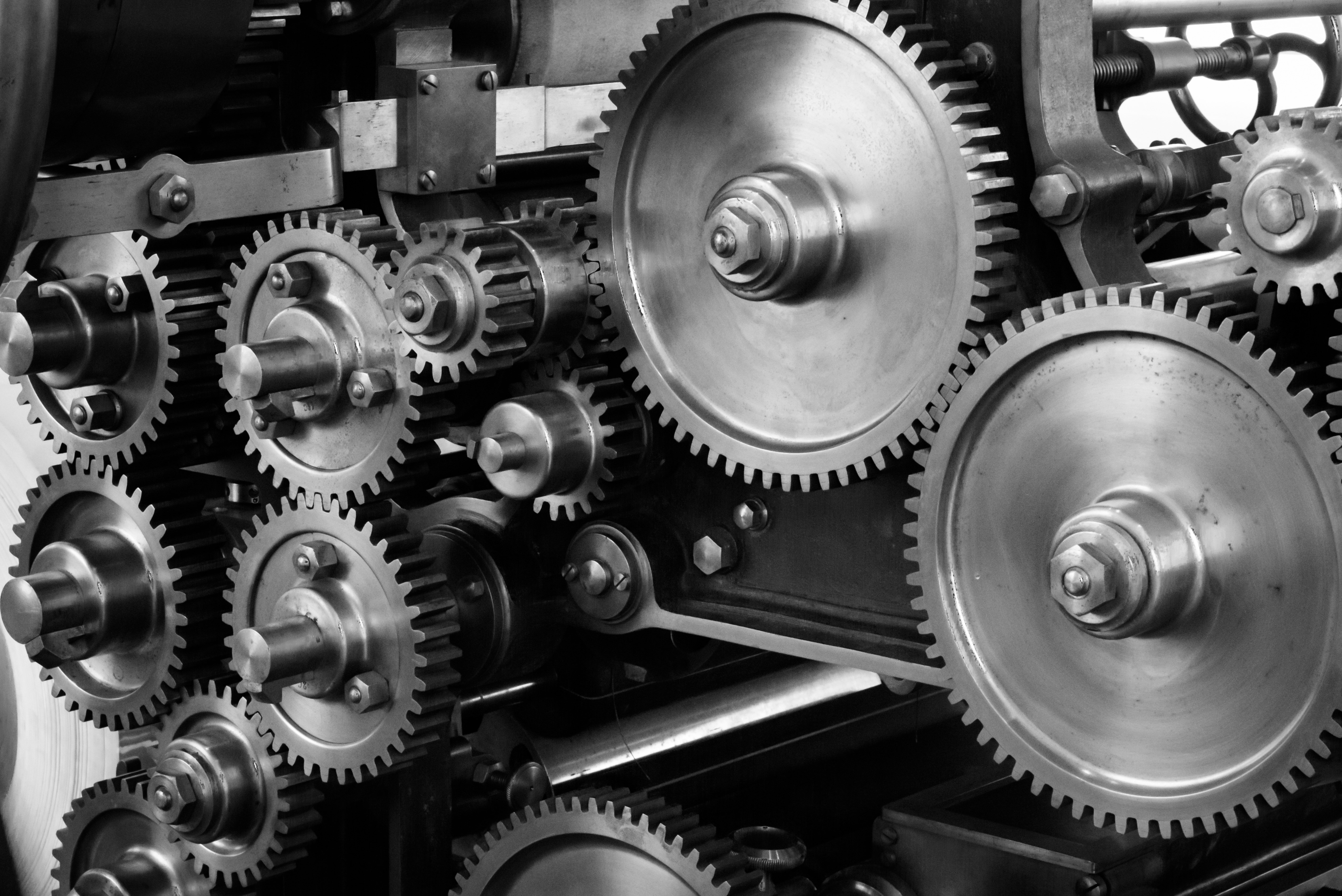
The GMEG Hive is the missing piece of the renewable puzzle. Unlike solar panels or wind turbines, the GMEG provides True Synchronous Mechanical Inertia. Because our system is built on high-mass, rotating kinetic energy, it possesses the physical "weight" to anchor the grid’s frequency. When a sudden demand spike occurs, the GMEG Hive doesn't need to "calculate" a response—its physical momentum naturally resists the drop in frequency, providing the same mechanical stability as a massive traditional turbine, but without the carbon emissions.
By acting as the Kinetic Anchor, the GMEG allows a nation to keep its existing wind and solar assets online. We provide the steady, relentless baseload that "cleans" the lumpy power from other renewables, transforming a chaotic energy mix into a predictable, 24/7 utility-scale stream.
High-Density Ecological Sovereignty
The GMEG offers a "Green-to-the-Core" alternative with a fraction of the physical footprint. While a 1 MW solar installation might require hectares of land, a 1 MW GMEG Pod operates within a footprint of just a few hundred square metres. This vertical density allows us to preserve the natural landscape, focusing generation into a singular, high-performance "Power Hub."
Built from carbon-negative materials and designed for a 30-year lifecycle without chemical degradation, the GMEG is the first generation system that is as clean as it is powerful. We don't just generate energy; we provide the structural integrity that modern energy independence is built upon.